


Buying a Toy Dog Breeds: A Complete Educational Guide
Buying a toy dog breeds is an exciting step for anyone looking for a small, affectionate, and easy-to-manage companion. Toy dog breeds are محبوب for their compact size, adaptability to apartment living, and strong bonds with their owners.
However, choosing the right toy dog requires more than just picking the cutest puppy. It involves understanding breed differences, costs, care needs, and long-term responsibilities. This guide provides a clear, educational, and positive overview to help you make the best decision.
1. What Are Toy Dog Breeds?
Toy dog breeds are small-sized dogs typically weighing under 15 pounds. They are bred primarily for companionship rather than work or sport.
Common Toy Breeds Include:
- Pomeranian
- Chihuahua
- Maltese
- Yorkshire Terrier
- Toy Poodle
To explore official breed standards and comparisons, visit the American Kennel Club: https://www.akc.org/dog-breeds/toy/ (dofollow).
2. Why Choose a Toy Dog Breed?
Many people consider buying a toy dog breeds for their practical and lifestyle benefits.
Key Advantages:
- Perfect for apartments and small spaces
- Easier to transport and travel with
- Lower food and maintenance costs
- Strong emotional companionship
Despite their size, toy breeds often have big personalities and high intelligence.
3. Cost of Buying a Toy Dog Breeds
The cost of toy dog breeds varies depending on breed, breeder, and quality.
Typical Price Range:
- Basic pet-quality: $300 – $2,000
- Premium breeds or bloodlines: $2,000 – $6,000+
- Rare or designer toy breeds: $4,000 – $10,000+
Always remember that price often reflects health care, breeding quality, and early socialization.
4. Choosing the Right Toy Breed for You
Not all toy dogs are the same. When buying a toy dog breeds, consider:
Important Factors:
- Activity level (active vs calm)
- Grooming requirements
- Temperament and behavior
- Compatibility with children or other pets
For example:
- Pomeranians are energetic and fluffy
- Maltese are gentle and affectionate
- Chihuahuas are loyal and alert
5. Finding a Reputable Breeder
Choosing the right breeder is essential.
What to Look For:
- Health certifications
- Clean and safe environment
- Transparency about the puppy’s parents
- Positive reviews
Red Flags:
- Extremely low prices
- No documentation
- Poor living conditions
Responsible breeders prioritize the dog’s well-being over profit.
6. Considering Adoption
If you are exploring buying a toy dog breeds, adoption is a great alternative.
Benefits:
- Lower cost
- Dogs often already vaccinated
- Helps animals in need
You can search for adoptable toy breeds here: https://www.petfinder.com/search/dogs-for-adoption/ (dofollow).
7. Initial Setup Costs
Before bringing your dog home, you’ll need to prepare.
Essentials:
- Bed or crate
- Food and water bowls
- Collar and leash
- Toys and grooming tools
Estimated Cost:
$150 – $700
This ensures your dog has a safe and comfortable environment.
8. Health Considerations
Toy breeds can be prone to certain health issues.
Common Concerns:
- Dental problems
- Fragile bones
- Hypoglycemia
- Heart conditions
Regular veterinary care is crucial.
For reliable pet health guidance, visit PetMD: https://www.petmd.com/dog/general-health (dofollow).
9. Grooming and Maintenance
Grooming needs vary depending on the breed.
General Grooming Needs:
- Regular brushing
- Nail trimming
- Ear cleaning
- Occasional bathing
Breeds like Poodles and Maltese require more frequent grooming than short-haired breeds.
10. Training and Socialization
Toy dogs are intelligent but can sometimes be stubborn.
Training Tips:
- Use positive reinforcement
- Start early
- Be consistent
- Socialize with people and pets
Proper training helps prevent behavioral issues like excessive barking.
Monthly Cost of Ownership
When buying a toy dog breeds, consider ongoing expenses.
Monthly Costs:
- Food: $15 – $50
- Grooming: $30 – $100
- Insurance: $20 – $60
- Toys and treats: $10 – $30
These costs are generally lower than larger breeds.
Hidden Costs to Consider
Many buyers overlook hidden expenses:
- Emergency vet visits
- Dental care
- Training classes
- Travel accessories
Planning ahead helps you avoid financial stress.
Is a Toy Dog Breed Right for You?
Toy breeds are ideal for:
- Apartment living
- Singles or seniors
- Owners who want close companionship
They may not be suitable for:
- Rough households with small children
- Very busy owners
- People seeking low-maintenance pets
Final Thoughts
Buying a toy dog breeds is a rewarding experience, but it requires thoughtful planning and responsibility. Understanding costs, care needs, and breed differences will help you make the right choice.
Whether you buy from a reputable breeder or adopt, always prioritize the health and happiness of your future pet.
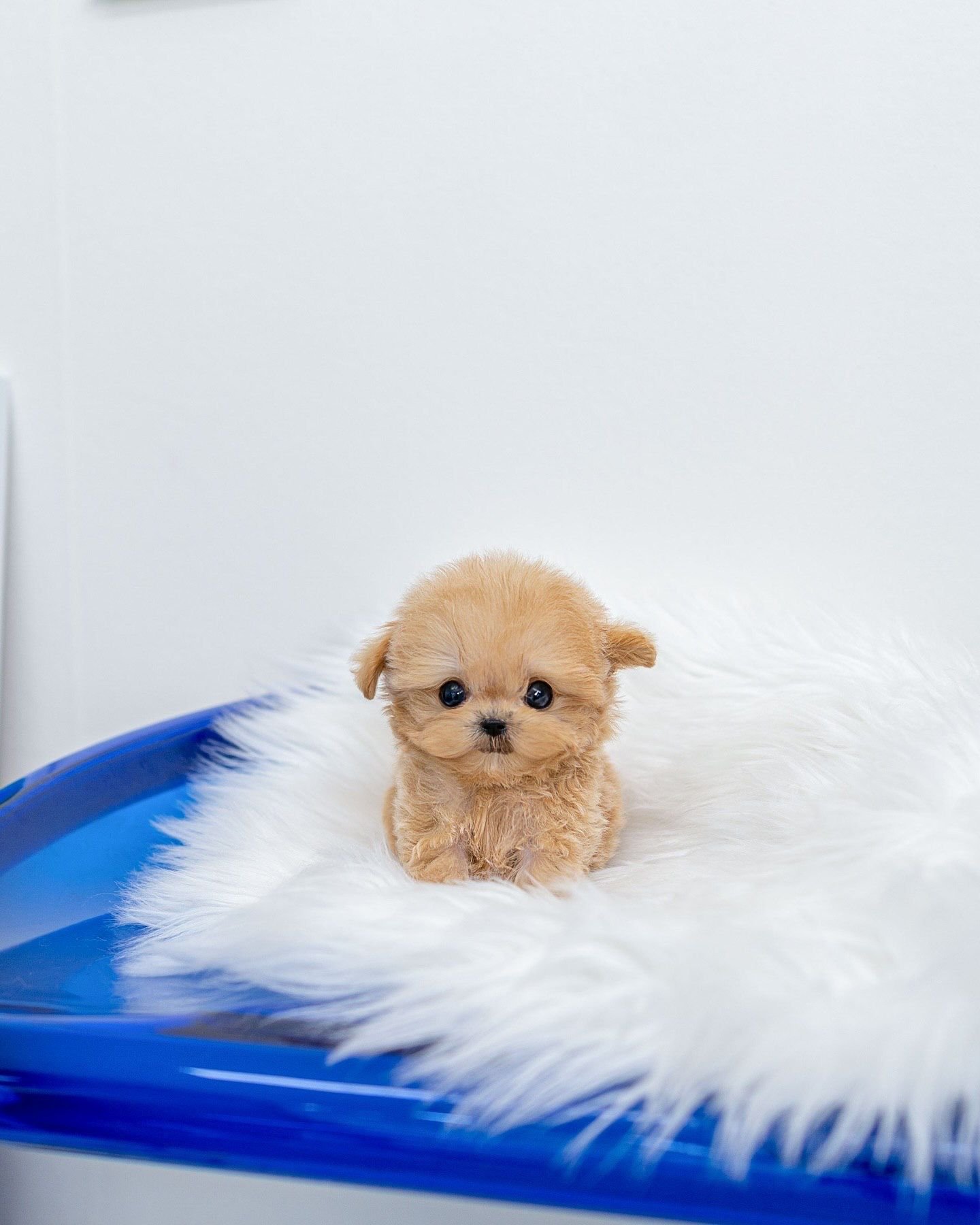
Toy dog breeds may be small in size, but they bring enormous love, joy, and companionship into your life for many years.