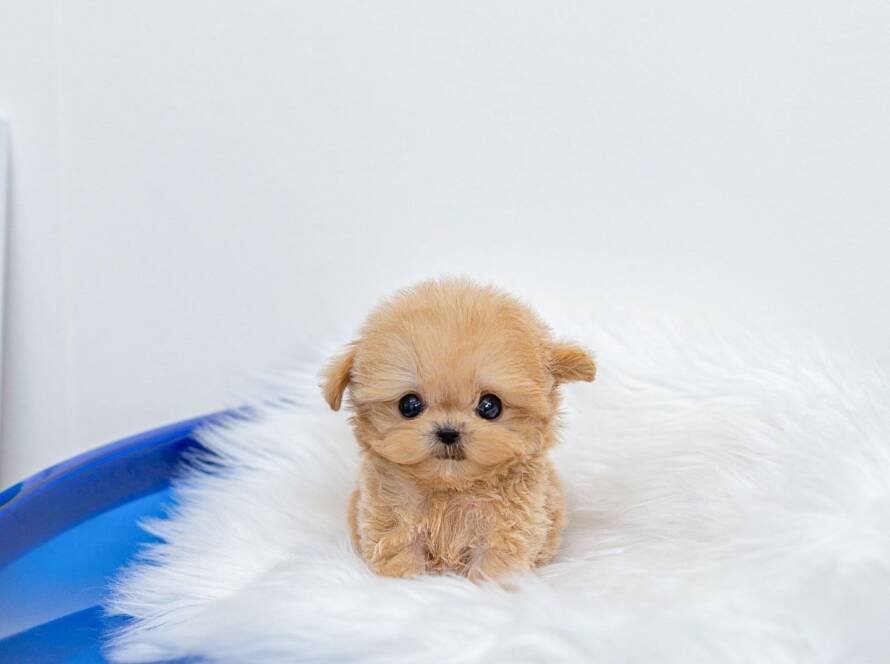


Teacup Dog Breeds: A Complete Educational Guide
Teacup dog breeds have become incredibly popular among pet lovers who want tiny, portable, and adorable companions. These miniature dogs are often marketed as the smallest versions of already small breeds, making them especially appealing for apartment living and travel.
However, before choosing one, it’s important to understand what “teacup” really means, the responsibilities involved, and how to care for these delicate pets. This guide offers a clear, educational, and positive overview to help you make a responsible decision.
1. What Are Teacup Dog Breeds?
Teacup dog breeds are not officially recognized categories but rather extremely small versions of toy dog breeds. They are typically bred to be significantly smaller than the standard size.
Common Teacup Varieties:
- Teacup Poodle
- Teacup Chihuahua
- Teacup Pomeranian
- Teacup Yorkshire Terrier
Because these dogs are bred for size rather than standard traits, their health and development can vary.
To understand official breed classifications, visit the American Kennel Club: https://www.akc.org/dog-breeds/toy/ (dofollow).
2. Why Teacup Dog Breeds Are So Popular
The demand for teacup dog breeds has grown rapidly in recent years.
Reasons for Popularity:
- Extremely small and portable
- Ideal for apartments and small homes
- Cute, baby-like appearance
- Strong companionship and bonding
Their popularity on social media has also contributed to increased demand.
3. Cost of Teacup Dog Breeds
Teacup dogs are often more expensive than their standard-sized counterparts.
Typical Price Range:
- Standard teacup dogs: $1,500 – $4,000
- Premium or rare varieties: $4,000 – $10,000+
Higher prices often reflect breeding challenges, demand, and perceived exclusivity.
4. Health Risks and Considerations
One of the most important aspects of owning teacup dog breeds is understanding their health risks.
Common Health Issues:
- Hypoglycemia (low blood sugar)
- Fragile bones and injury risk
- Heart defects
- Respiratory problems
Due to their small size, they require extra care and monitoring.
For trusted pet health information, visit PetMD: https://www.petmd.com/dog/general-health (dofollow).
5. Daily Care Requirements
Teacup dogs need attentive and consistent care.
Daily Needs:
- Frequent small meals
- Safe indoor environment
- Gentle handling
- Regular monitoring
They are not suitable for rough handling or unpredictable environments.
6. Grooming and Maintenance
Grooming needs vary depending on the breed, but all teacup dogs require regular maintenance.
General Grooming:
- Frequent brushing
- Regular bathing
- Nail trimming
- Ear cleaning
Long-haired breeds require more intensive grooming routines.
7. Exercise and Activity Levels
Despite their size, teacup dogs still need exercise.
Recommended Activity:
- Short daily walks
- Indoor play
- Mental stimulation
Overexertion should be avoided due to their delicate structure.
8. Training and Behavior
Teacup dogs are intelligent but can be stubborn if not trained properly.
Training Tips:
- Use positive reinforcement
- Start training early
- Keep sessions short
- Socialize gradually
Consistent training helps develop a well-behaved companion.
9. Adoption vs Buying
While many people search for teacup dog breeds for sale, adoption is a responsible alternative.
Benefits of Adoption:
- Lower cost
- Helps dogs in need
- Often includes vaccinations
You can explore adoption options here: https://www.petfinder.com/search/dogs-for-adoption/ (dofollow).
10. Is a Teacup Dog Breed Right for You?
Teacup dogs are ideal for:
- Apartment living
- Individuals or couples
- Owners who can provide constant care
They may not be suitable for:
- Families with small children
- Busy households
- People looking for low-maintenance pets
Hidden Costs to Consider
When choosing teacup dog breeds, don’t overlook hidden expenses:
- Emergency veterinary care
- Specialized diets
- Grooming services
- Pet insurance
Planning ahead ensures you are fully prepared.
Ethical Considerations
It’s important to understand the ethical concerns surrounding teacup breeding.
Some breeders prioritize size over health, which can lead to serious medical issues. Always choose breeders who focus on responsible practices and animal welfare.
Final Thoughts
Teacup dog breeds may be small in size, but they require significant care, attention, and responsibility. While they can make loving and loyal companions, they are not the right choice for everyone.
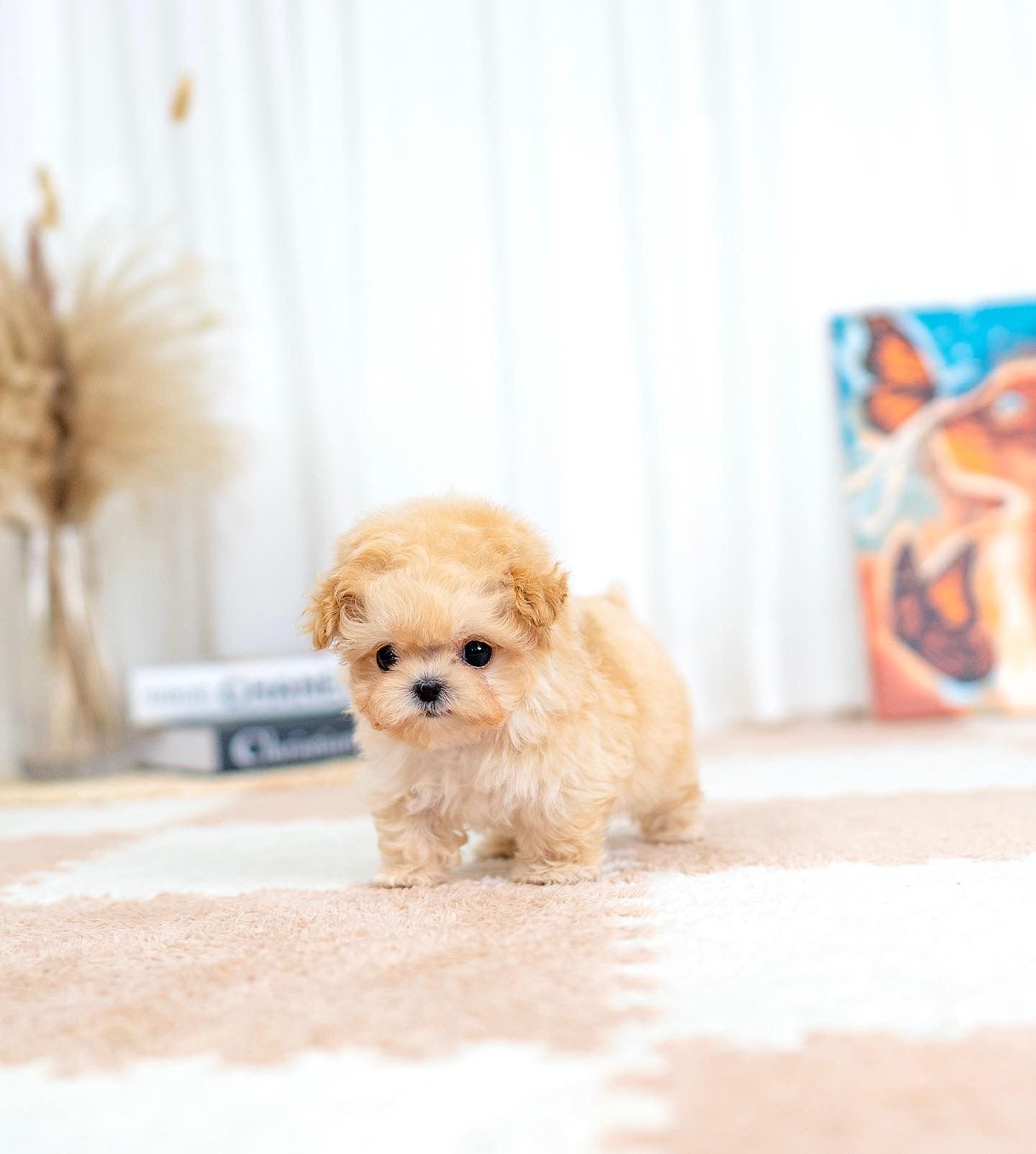
By understanding their needs, health risks, and costs, you can make a smart and informed decision. Whether you choose to buy from a reputable breeder or adopt, always prioritize the well-being of the dog.
In the end, the true value of a teacup dog lies not in its size, but in the love and companionship it brings into your life.