


Teacup Morkie: 12 Amazing Facts About This Tiny and Loving Companion Dog
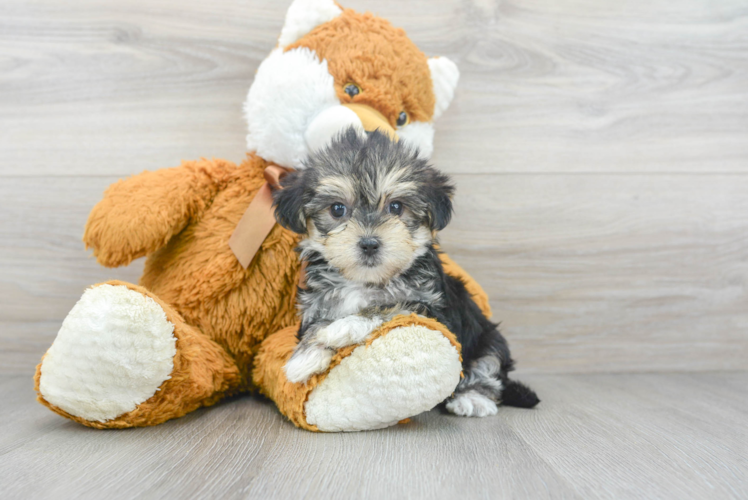
The teacup Morkie is one of the most adorable and popular designer dog breeds among pet lovers searching for a tiny, affectionate, and intelligent companion. This lovable hybrid combines the charming qualities of the Maltese and the Yorkshire Terrier, creating a small dog with a huge personality.
Known for their soft coats, playful behavior, and loyal companionship, Teacup Morkies are especially popular among apartment owners, seniors, families, and individuals who want a portable indoor pet. Their small size and affectionate temperament make them ideal companions for modern lifestyles.
Despite their tiny appearance, Morkies require proper care, training, socialization, nutrition, and regular veterinary attention. Future owners should understand the responsibilities involved before bringing one home.
This educational and informational guide explains everything you need to know about the teacup Morkie, including appearance, temperament, grooming, feeding, training, health concerns, exercise needs, and responsible ownership practices.
What Is a Teacup Morkie?
The Morkie is a miniature designer dog created by crossing a Maltese with a Yorkshire Terrier. Breeders selectively breed smaller Morkies to achieve the “teacup” size category.
Common characteristics include:
- Tiny body size
- Soft fluffy coat
- Friendly personality
- High intelligence
- Affectionate behavior
Morkies are known for combining the playful energy of the Yorkie with the gentle sweetness of the Maltese.
Why the Teacup Morkie Is So Popular
The popularity of the Morkie continues to grow because these dogs adapt well to many different lifestyles.
Reasons owners love Teacup Morkies:
- Apartment-friendly size
- Adorable teddy bear appearance
- Loyal companionship
- Minimal space requirements
- Loving personality
Their portability also makes them convenient travel companions.
Appearance of the Teacup Morkie
Size and Weight
The Morkie is extremely small and lightweight.
Average measurements:
- Height: 6–9 inches
- Weight: 3–7 pounds
Their tiny size makes them easy to carry and ideal for indoor living.
Coat and Colors
Morkies usually have soft, silky, or slightly wavy coats.
Common colors include:
- White
- Black
- Brown
- Tan
- Gold
- Mixed combinations
Their fluffy coats contribute to their teddy bear-like appearance.
Teacup Morkie Temperament
The Morkie is known for being affectionate, energetic, and highly social.
Personality traits include:
- Loyal
- Playful
- Curious
- Friendly
- Intelligent
- Loving
Most Morkies enjoy spending time close to their owners and thrive on companionship.
Are Teacup Morkies Good Family Dogs?
Yes, Morkies can become wonderful family pets when properly socialized and cared for.
Benefits for families include:
- Loving companionship
- Friendly indoor behavior
- Adaptability to apartment living
- Enjoyment of human interaction
Because of their fragile size, supervision around small children is important.
Important Things to Know Before Buying a Morkie
Research the Breeder Carefully
When searching for a Morkie, selecting a responsible breeder is essential.
Reputable breeders should provide:
- Veterinary records
- Vaccination history
- Health guarantees
- Clean living conditions
- Puppy socialization information
Responsible breeding practices improve puppy health and temperament.
Avoid Puppy Mills
Puppy mills often prioritize profit instead of proper animal care.
Warning signs include:
- Poor sanitation
- Sick puppies
- Lack of veterinary care
- Overcrowded conditions
Choosing ethical breeders helps support animal welfare.
Training a Morkie
Early Socialization
Socialization helps Morkies become confident and friendly adult dogs.
Important experiences include:
- Meeting different people
- Exposure to household sounds
- Interaction with pets
- Positive outdoor activities
Early positive experiences reduce fear and anxiety.
Obedience Training
The Morkie is intelligent and learns quickly with consistent training.
Effective training methods:
- Positive reinforcement
- Reward-based learning
- Consistent commands
- Short training sessions
Patience and gentle guidance produce the best results.
Exercise Needs of the Morkie
Although small, the Morkie still requires regular activity.
Recommended exercise:
- Short walks
- Indoor games
- Interactive toys
- Gentle playtime
Exercise supports healthy weight and mental stimulation.
Feeding a Teacup Morkie
Proper nutrition is essential for maintaining the health of a Morkie.
Healthy Diet Recommendations
A balanced diet should include:
- High-quality protein
- Healthy fats
- Vitamins and minerals
- Fresh water
Small breeds often benefit from premium small-breed dog food formulas.
Feeding Schedule
Typical feeding routine:
- Puppies: 3–4 meals daily
- Adults: 2 meals daily
Frequent small meals may help prevent low blood sugar.
Grooming Requirements
The Morkie requires consistent grooming to maintain coat health.
Brushing
Grooming recommendations:
- Brush several times weekly
- Prevent matting
- Remove loose hair
Regular brushing keeps the coat soft and healthy.
Professional Grooming
Many owners schedule professional grooming every 4–6 weeks.
Grooming services may include:
- Bathing
- Hair trimming
- Nail clipping
- Ear cleaning
Common Health Concerns
Before choosing a Morkie, future owners should understand possible health risks.
Common concerns include:
- Hypoglycemia
- Dental disease
- Fragile bones
- Allergies
- Eye problems
Routine veterinary care supports long-term health.
Lifespan of the Teacup Morkie
A healthy teacup Morkie may live approximately:
- 12–15 years
Good nutrition and proper healthcare contribute to longevity.
Advantages of Owning a Teacup Morkie
Affectionate Personality
Teacup Morkies form strong emotional bonds with their owners.
Apartment-Friendly Size
Their compact size makes them ideal indoor companions.
Intelligent and Trainable
Most Teacup Morkies respond well to positive reinforcement training.
Adorable Appearance
Their fluffy coat and expressive eyes make them highly appealing.
Challenges of Owning a Teacup Morkie
Grooming Maintenance
Their coat requires regular brushing and grooming.
Separation Anxiety
Some Teacup Morkies dislike being left alone for long periods.
Fragile Body Structure
Careful handling is necessary because of their small size.
Preparing Your Home for a Teacup Morkie
Create a Safe Environment
Important safety tips:
- Remove dangerous objects
- Block unsafe areas
- Provide soft bedding
- Use puppy gates if necessary
Essential Supplies
Recommended items:
- Puppy food
- Food bowls
- Toys
- Grooming tools
- Crate or bed
Why Responsible Ownership Matters
Owning a teacup Morkie is a long-term responsibility requiring:
- Veterinary care
- Daily companionship
- Proper training
- Emotional attention
- Safe living conditions
Responsible ownership helps puppies thrive physically and emotionally.
Tips for Finding Healthy Teacup Morkies
Ask for Health Documentation
Responsible breeders should provide:
- Vaccination records
- Veterinary exams
- Health guarantees
Observe Puppy Behavior
Healthy puppies should appear:
- Curious
- Active
- Alert
- Friendly
Visit the Breeder
Whenever possible, inspect the puppy’s living environment in person.
DoFollow External Resources for Puppy Care Information
- American Kennel Club – Dog Care Resources
- ASPCA – Dog Care Tips
- PetMD – Dog Health Center
- The Humane Society of the United States
- VCA Animal Hospitals – Puppy Care Guide
- Hill’s Pet Nutrition – Dog Nutrition Advice
Conclusion
The teacup Morkie is a loving, intelligent, and adorable designer dog that fits perfectly into many modern lifestyles. Their affectionate nature, playful personality, and compact size make them excellent companions for families, singles, seniors, and apartment residents.
However, Teacup Morkies also require responsible ownership, proper healthcare, regular grooming, and emotional attention. By choosing ethical breeders and understanding the breed’s needs, owners can provide safe and loving homes where these tiny companions can live happy and healthy lives for many years.