

Description
Papaya Puppy: Everything You Need to Know About This Adorable Teacup Companion
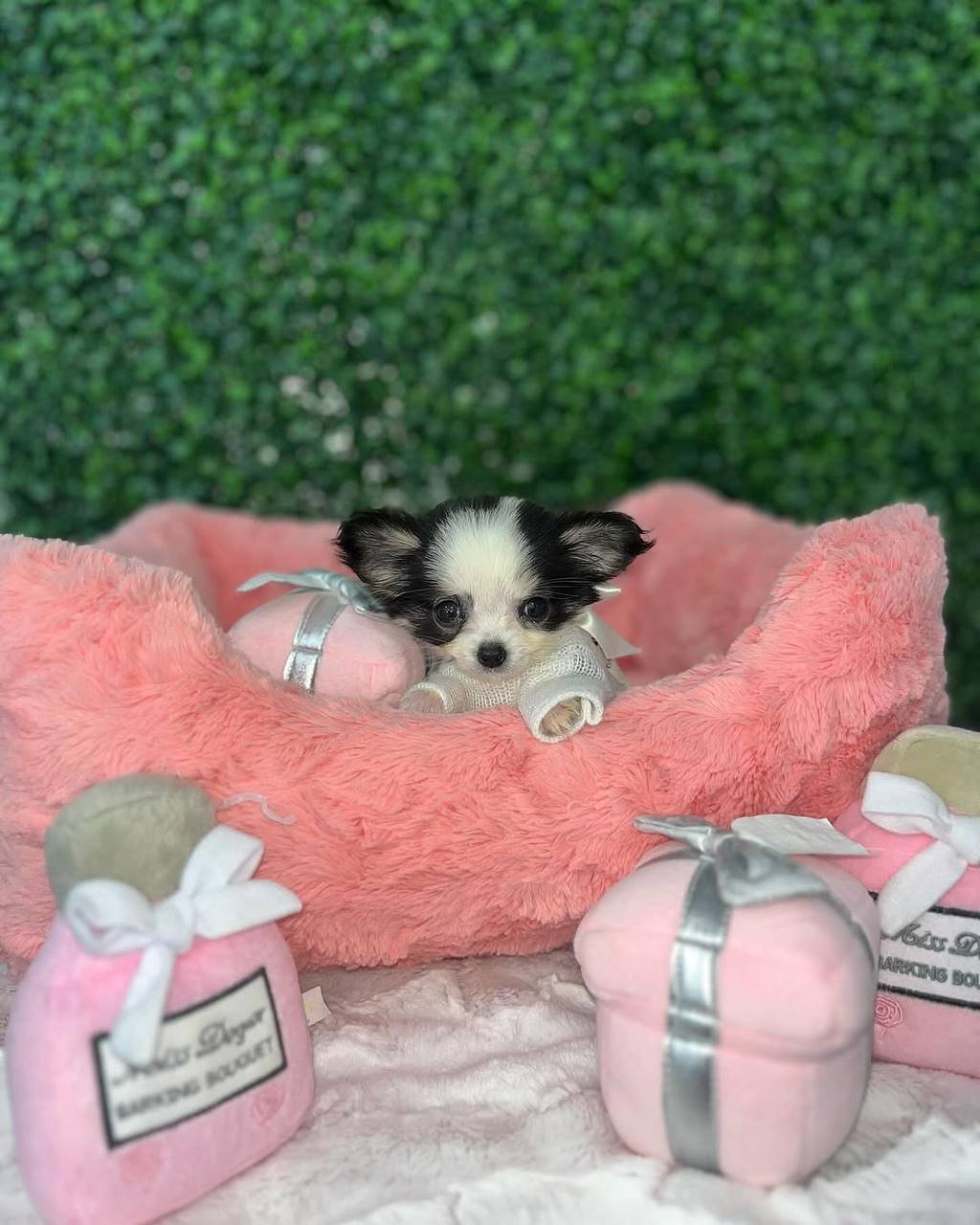
If you’ve recently heard the term Papaya Puppy, you’re not alone. Dog lovers across the globe are searching for this charming little companion, often associating it with the growing popularity of teacup dogs. But what exactly is a Papaya Puppy? Is it a breed, a nickname, or a designer dog trend?
In this comprehensive guide, we’ll explore everything you need to know about the Papaya Puppy — from origin and temperament to health care, grooming, training, and whether this tiny bundle of joy is the right pet for your lifestyle.
What Is a Papaya Puppy?
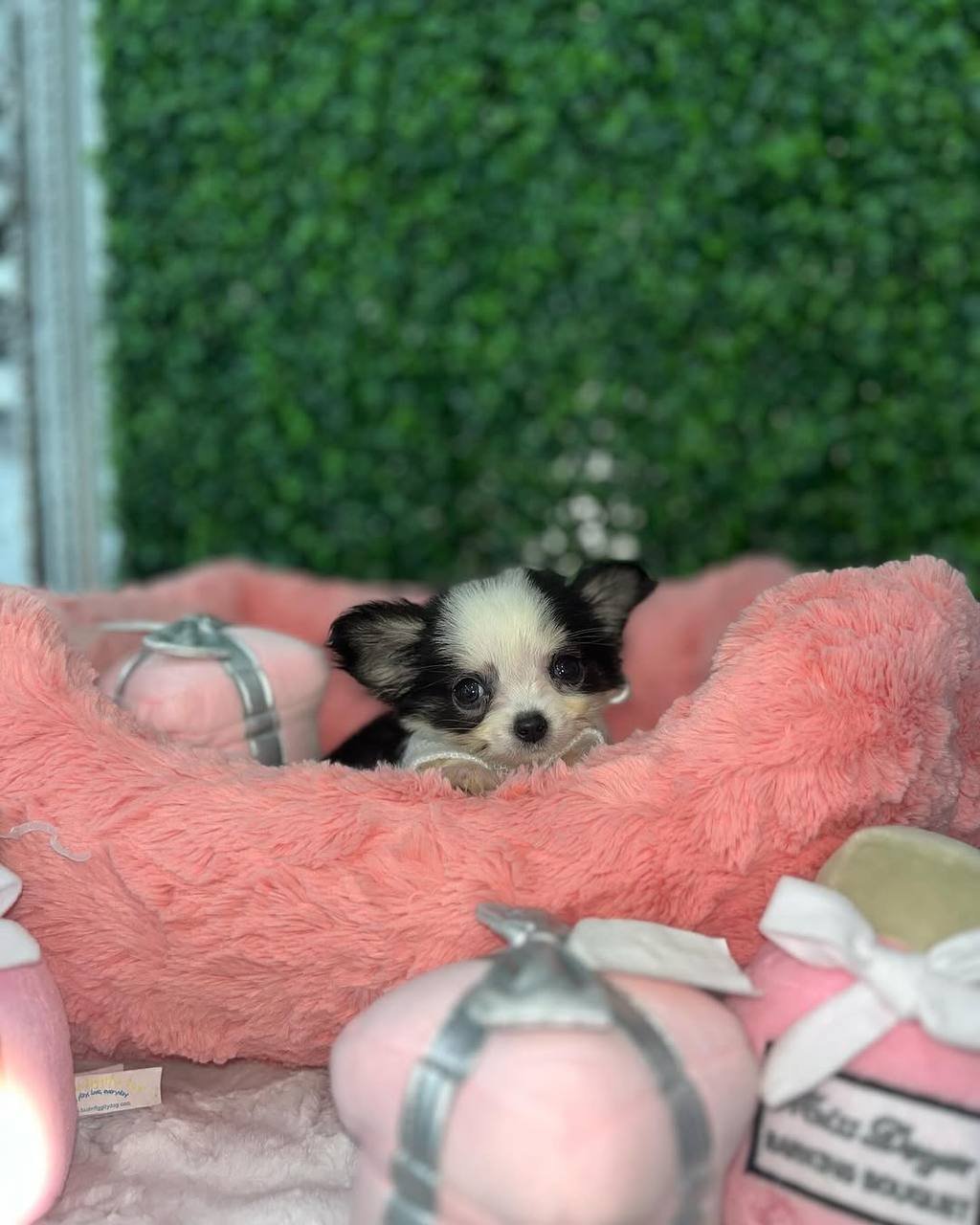
The term Papaya Puppy is commonly used as a nickname for extremely small, cute puppies — often falling into the category of teacup dogs. These dogs are typically bred to be smaller than standard toy breeds and are admired for their compact size, expressive eyes, and affectionate personalities.
While “Papaya Puppy” is not an officially recognized breed, it is often associated with:
-
Teacup Pomeranians
-
Teacup Maltese
-
Teacup Yorkies
-
Teacup Poodles
These miniature dogs are selectively bred to remain exceptionally small, often weighing under 5 pounds as adults.
Papaya Puppy and the Rise of Teacup Dogs
The popularity of teacup dogs has surged over the past decade. Social media platforms have played a significant role in showcasing these tiny pets, making them a desirable choice for apartment dwellers and urban pet owners.
Why Are Teacup Dogs So Popular?
-
Perfect for small living spaces
-
Easy to carry and travel with
-
Adorable, baby-like appearance
-
Lower food consumption
-
Strong bonding tendencies
The Papaya Puppy fits perfectly into this trend — a tiny, affectionate dog with a big personality.
For more information on toy and miniature breeds, you can explore the American Kennel Club’s guide to small dog breeds here:
👉 https://www.akc.org/dog-breeds/small-dog-breeds/
Physical Characteristics of a Papaya Puppy
Because the Papaya Puppy typically refers to ultra-small dogs, their physical traits vary slightly depending on breed. However, most share the following features:
-
Weight: 2–5 pounds
-
Height: 5–8 inches
-
Coat: Soft, fluffy, or silky
-
Eyes: Large and expressive
-
Lifespan: 12–16 years (with proper care)
Despite their size, Papaya Puppies often have bold, confident personalities.
Temperament and Personality of a Papaya Puppy
One of the most appealing aspects of a Papaya Puppy is its temperament. These dogs are known for being:
-
Affectionate
-
Loyal
-
Intelligent
-
Playful
-
Alert
Because many teacup dogs descend from companion breeds, they thrive on human interaction. They are happiest when near their owners and can develop separation anxiety if left alone for long periods.
Is a Papaya Puppy Good for Families?
A Papaya Puppy can be an excellent pet, but it’s important to consider the household environment.
Best Suited For:
-
Singles
-
Couples
-
Seniors
-
Apartment residents
Caution With:
-
Very young children
-
Large, high-energy dogs
-
Rough play environments
Due to their delicate bone structure, teacup dogs require gentle handling.
Health Considerations for Papaya Puppy Owners
While undeniably adorable, teacup dogs — including Papaya Puppies — can face certain health risks due to their small size.
Common health concerns include:
-
Hypoglycemia (low blood sugar)
-
Fragile bones
-
Dental issues
-
Heart defects
-
Respiratory problems
It’s essential to work with a reputable breeder or rescue organization and schedule regular veterinary check-ups.
For responsible pet ownership guidelines, visit the American Veterinary Medical Association:
https://www.avma.org/resources-tools/pet-owners
Early detection and preventive care significantly increase a Papaya Puppy’s lifespan.
Nutrition Guide for a Papaya Puppy
Because of their fast metabolism, Papaya Puppies require carefully balanced nutrition.
Feeding Tips:
-
Small, frequent meals (3–4 times daily)
-
High-quality small-breed formula
-
Protein-rich diet
-
Avoid overfeeding
Low blood sugar is a serious risk for teacup dogs, so consistent feeding schedules are crucial.
Training a Papaya Puppy
Don’t let their tiny size fool you — Papaya Puppies are intelligent and eager to learn.
Effective Training Methods:
-
Positive reinforcement
-
Short training sessions (5–10 minutes)
-
Gentle tone and consistency
-
Early socialization
Because teacup dogs can develop “small dog syndrome,” proper training ensures they grow into confident, well-behaved companions.
Grooming Requirements
Grooming needs depend on the breed type of your Papaya Puppy.
General Grooming Checklist:
-
Brush coat 2–4 times per week
-
Trim nails monthly
-
Clean ears weekly
-
Brush teeth daily (important for small breeds)
Dental hygiene is especially critical, as small dogs are prone to gum disease.
Exercise Needs of a Papaya Puppy
Despite being small, Papaya Puppies still need daily activity.
Ideal Exercise Routine:
-
20–30 minutes of light play
-
Indoor games
-
Short leash walks
-
Mental stimulation toys
They do not require intense physical activity but enjoy interactive play with their owners.
Papaya Puppy vs Other Teacup Dogs
While the term Papaya Puppy may be used interchangeably with teacup dogs, it often emphasizes extreme cuteness and compact size.
| Feature | Papaya Puppy | Standard Toy Breed |
|---|---|---|
| Size | Extra tiny | Small |
| Weight | 2–5 lbs | 4–10 lbs |
| Fragility | High | Moderate |
| Care Level | High | Moderate |
The Papaya Puppy requires more attentive care due to its delicate nature.
How Much Does a Papaya Puppy Cost?
Pricing varies depending on breed, lineage, and location.
Typical cost range:
-
$800 – $3,000 from breeders
-
Adoption fees vary by rescue organization
Always research breeders carefully and avoid puppy mills.
Responsible Breeding and Ethical Considerations
Because demand for teacup dogs is high, unethical breeding practices can occur.
Signs of a Responsible Breeder:
-
Health clearances
-
Transparent medical records
-
Allows visits
-
Answers all questions
Avoid breeders who:
-
Refuse documentation
-
Offer extremely low prices
-
Sell multiple litters at once
Ethical breeding protects both the puppy and future owners.
Is a Papaya Puppy Right for You?
Before bringing home a Papaya Puppy, ask yourself:
-
Can I provide daily attention?
-
Am I prepared for potential health costs?
-
Is my home safe for a tiny dog?
-
Do I have time for training and socialization?
If the answer is yes, a Papaya Puppy can be an incredibly loving and loyal companion.
Benefits of Owning a Papaya Puppy
-
Compact and portable
-
Deep emotional bond
-
Ideal for small spaces
-
Long lifespan
-
Charming personality
They are not just pets — they become devoted family members.
Final Thoughts on Papaya Puppy Care
The Papaya Puppy represents the adorable charm and delicate appeal of teacup dogs. While their small size makes them irresistibly cute, they require responsible ownership, proper training, and attentive health care.
With the right environment, nutrition, and love, a Papaya Puppy can live a long, happy life and bring endless joy to your home.
If you’re ready for a tiny companion with a big heart, the Papaya Puppy might just be your perfect match.



Reviews
There are no reviews yet.